
How Predictive Maintenance Stops EV Gearbox Failures Before They Happen
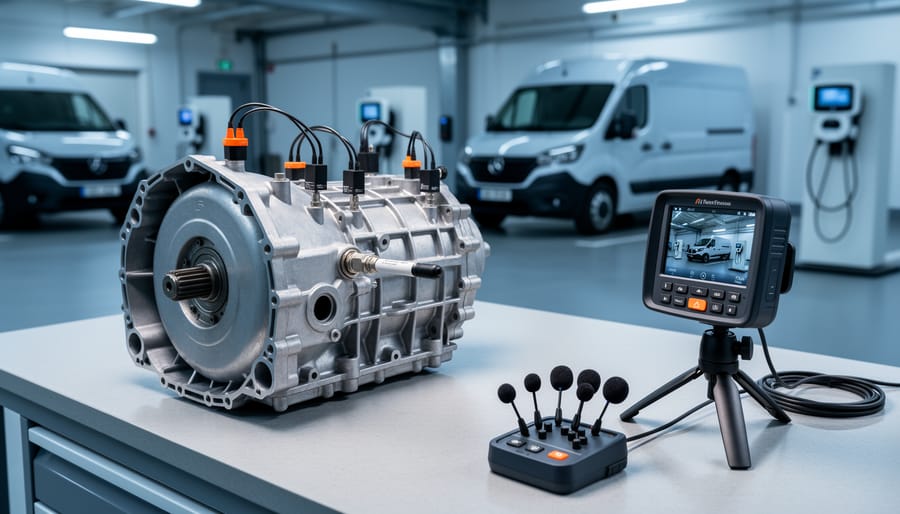
Monitor vibration patterns, temperature fluctuations, and acoustic signatures in real-time using IoT sensors to detect gearbox degradation before catastrophic failures occur. Advanced machine learning algorithms can analyze these data streams continuously, identifying subtle anomalies that indicate bearing wear, gear tooth damage, or lubrication breakdown weeks or months before traditional inspection schedules would reveal them.
Implement condition-based maintenance protocols that replace fixed-interval servicing with data-driven interventions. Install accelerometers, thermal cameras, and oil quality sensors directly on EV gearbox assemblies to create comprehensive health profiles. These systems reduce unplanned downtime by up to 70% while extending component lifespan through precisely timed maintenance actions that prevent secondary damage cascades.
Integrate predictive maintenance platforms with fleet management systems to optimize service scheduling across multiple vehicles simultaneously. Cloud-based analytics enable maintenance teams to prioritize interventions based on severity, compare performance metrics across vehicle cohorts, and identify systemic issues affecting specific gearbox models or operating conditions. This approach transforms maintenance from a cost center into a strategic advantage, particularly for commercial fleets where vehicle availability directly impacts revenue generation.
Leverage digital twin technology to simulate gearbox behavior under various load conditions and environmental stresses. By creating virtual replicas of physical assets, engineers can test maintenance strategies, predict remaining useful life with greater accuracy, and refine operational parameters that minimize wear. This cutting-edge approach aligns predictive maintenance with broader sustainability goals by maximizing asset utilization, reducing waste from premature component replacement, and supporting the transition to electrified transportation infrastructure. The convergence of predictive analytics, IoT connectivity, and electric vehicle technology represents a fundamental shift in how the energy sector approaches asset management and operational efficiency.
The Unique Demands of EV Gearbox Systems
High-Performance Requirements in Commercial Applications
Commercial EV fleets face operational demands that significantly accelerate gearbox wear compared to consumer applications. Delivery vehicles, ride-sharing EVs, and commercial transport units operate under continuous duty cycles with frequent stop-start patterns, creating thermal stress and mechanical fatigue that can reduce component lifespan by 30-40% without proper monitoring.
The integration of frequent fast-charging cycles introduces additional complexity to gearbox maintenance planning. Rapid charging generates elevated battery temperatures that transfer thermal load throughout the drivetrain system, affecting lubricant viscosity and seal integrity within the gearbox assembly. Fleet operators utilizing DC fast-charging infrastructure multiple times daily must account for these compounding thermal cycles when establishing predictive maintenance protocols.
High-mileage commercial applications also experience accelerated gear tooth wear due to consistent heavy loading conditions. Urban delivery EVs routinely operate at maximum torque during acceleration from traffic stops, while long-haul commercial vehicles maintain sustained high-speed operation that generates continuous mechanical stress. These usage patterns create distinct wear signatures that predictive maintenance systems can identify through vibration analysis and temperature monitoring.
Predictive maintenance technologies offer commercial fleet operators the ability to transition from fixed-interval servicing to condition-based interventions. By implementing real-time sensor networks that monitor gearbox temperature, vibration frequencies, and lubricant quality, fleet managers can identify degradation patterns before catastrophic failures occur. This approach reduces unexpected downtime, optimizes maintenance scheduling around operational demands, and extends overall component lifespan through targeted interventions. For commercial operators managing sustainability objectives alongside operational efficiency, predictive maintenance represents a critical tool for maximizing asset utilization while minimizing resource consumption through premature component replacement.
Common Failure Modes and Their Warning Signs
Electric vehicle gearboxes, while simpler than their internal combustion counterparts, remain susceptible to specific failure modes that can significantly impact fleet operations and energy efficiency. Understanding these patterns enables maintenance teams to implement targeted monitoring strategies that detect issues before catastrophic failures occur.
Bearing wear represents one of the most common degradation pathways in EV gearboxes. The constant torque delivery characteristic of electric motors creates unique stress patterns on bearing surfaces. Early warning signs include subtle increases in acoustic emissions and vibration frequencies typically between 1-10 kHz. Advanced sensor systems can detect these changes months before performance deterioration becomes noticeable, allowing for planned interventions during scheduled downtime rather than unexpected failures.
Lubrication degradation poses another critical concern, particularly as gearboxes operate across wide temperature ranges. Unlike conventional vehicles with warm-up periods, EVs demand immediate full performance, subjecting lubricants to thermal cycling that accelerates oxidation and viscosity breakdown. Temperature sensors integrated with oil quality monitors can track degradation rates in real-time, identifying when lubricant properties fall outside optimal parameters. This approach extends component life while maintaining energy transmission efficiency.
Thermal stress emerges from the high-power density inherent to electric powertrains. Repeated rapid acceleration and regenerative braking cycles generate heat that can cause dimensional changes in gear teeth and housing components. Thermal imaging combined with power draw analytics reveals stress accumulation patterns, enabling predictive models to forecast maintenance needs based on actual operational demands rather than arbitrary time intervals.
Vibration anomalies often serve as the first detectable indicator of developing problems. Machine learning algorithms trained on normal operational signatures can identify deviations as small as 0.5 dB, providing early detection opportunities that traditional inspection methods miss entirely.
How Predictive Maintenance Technology Works
IoT Sensors and Real-Time Data Collection
Modern predictive maintenance for EV gearboxes relies on sophisticated sensor networks that continuously monitor critical performance parameters. These Internet of Things-enabled devices form the foundation of data-driven maintenance strategies, enabling real-time condition assessment and early fault detection.
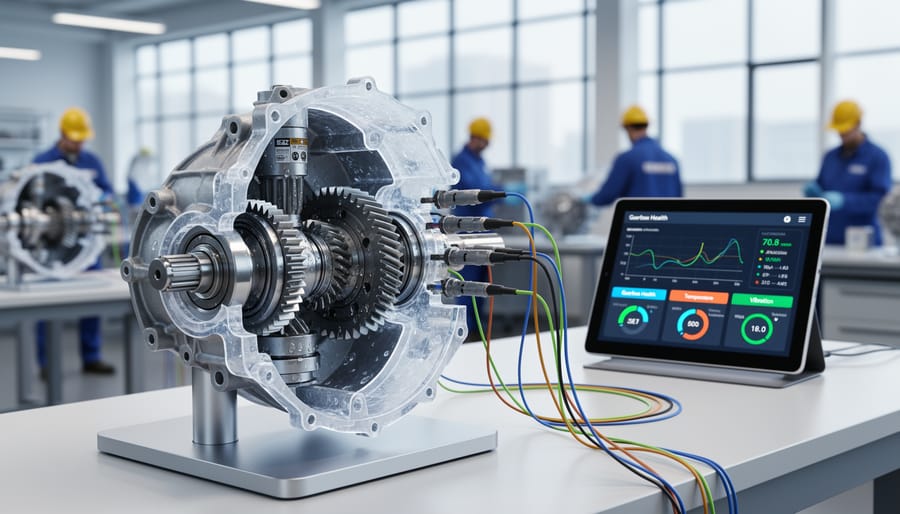
Vibration sensors represent the primary diagnostic tool, detecting anomalies in gear mesh patterns, bearing wear, and shaft misalignment. These accelerometers capture high-frequency signals that indicate emerging mechanical issues long before they become audible or cause performance degradation. Temperature sensors complement this data by monitoring thermal conditions at critical points including bearing housings, lubricant reservoirs, and gear interfaces. Unusual temperature increases often signal excessive friction, inadequate lubrication, or impending component failure.
Acoustic emission sensors provide another valuable data stream, identifying ultrasonic frequencies generated by crack propagation, surface degradation, or contamination in the lubrication system. Oil quality sensors analyze viscosity, contamination levels, and metallic particle content, offering insights into both lubricant condition and wear rates of internal components. Advanced systems may also incorporate torque sensors and current monitors that detect electrical anomalies correlating with mechanical stress.
Integration with existing EV architectures occurs through Controller Area Network buses and dedicated diagnostic interfaces, allowing sensor data to flow seamlessly alongside vehicle telemetry. This integration extends to charging infrastructure, where DC monitoring systems can correlate charging patterns with gearbox performance metrics.
IoT energy management platforms aggregate this multi-sensor data, applying machine learning algorithms to identify patterns and predict failure modes. Cloud-based architectures enable fleet-wide analysis, comparing individual vehicle performance against broader datasets to establish baseline behaviors and detect outliers. This holistic monitoring approach connects gearbox health to overall energy efficiency, enabling operators to optimize maintenance schedules while maximizing vehicle uptime and minimizing total cost of ownership. The result is a comprehensive predictive maintenance ecosystem that supports both operational sustainability and long-term asset performance.
Machine Learning and Pattern Recognition
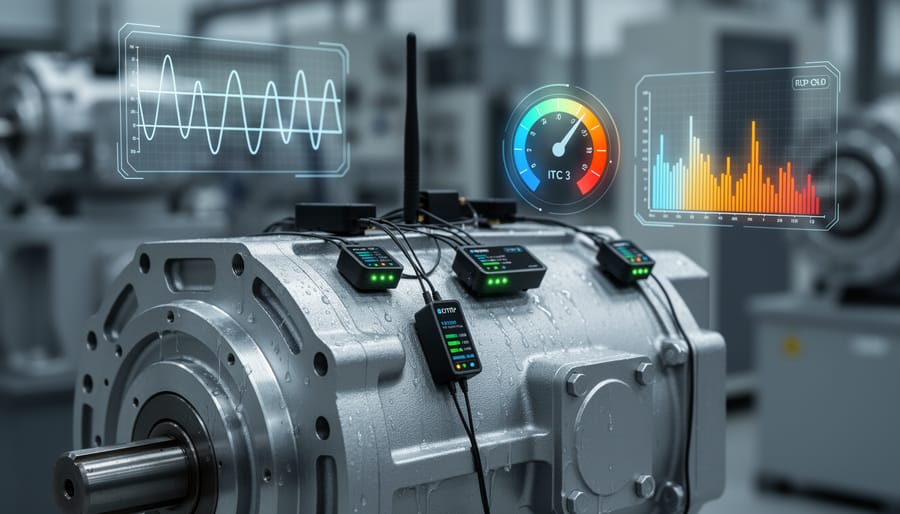
Machine learning algorithms form the analytical backbone of modern predictive maintenance systems for electric vehicle gearboxes, transforming raw sensor data into actionable intelligence. These sophisticated systems continuously monitor multiple parameters including vibration signatures, temperature fluctuations, acoustic emissions, and lubricant condition to build comprehensive operational profiles of each gearbox component.
At the core of this technology lies pattern recognition—the ability of AI systems to identify subtle deviations from normal operating conditions that human observers might miss. Advanced algorithms employ various techniques including supervised learning, where historical failure data trains models to recognize precursor signals, and unsupervised learning, which detects anomalies without prior failure examples. Neural networks particularly excel at processing the complex, multi-dimensional data streams generated by modern gearbox monitoring systems, identifying intricate correlations between seemingly unrelated parameters.
The real value emerges in the algorithm’s capacity to distinguish between benign operational variations and genuine degradation signals. Electric vehicle gearboxes experience natural fluctuations due to load changes, ambient temperature shifts, and driving patterns. Machine learning models learn these normal variations during their training phase, establishing dynamic baseline parameters that account for operational context. When deviations exceed these intelligent thresholds, the system flags them for investigation rather than generating false alarms that plague traditional static-threshold approaches.
Failure timeline prediction represents perhaps the most impactful capability of these systems. By analyzing degradation velocity—how quickly component conditions deteriorate—algorithms can forecast remaining useful life with increasing accuracy. This enables maintenance teams to schedule interventions during planned downtime rather than responding to unexpected failures, optimizing both operational efficiency and resource allocation.
These predictive capabilities align perfectly with sustainability objectives by extending component lifecycles, reducing waste from premature replacements, and minimizing the environmental impact of emergency repairs. As these systems accumulate operational data across diverse vehicle fleets and conditions, their predictive accuracy continues improving, creating increasingly reliable maintenance planning tools for the evolving electric mobility ecosystem.
Implementing Predictive Maintenance in Your EV Operations
Integration with Charging Infrastructure
Modern predictive maintenance systems are increasingly designed to capitalize on the natural downtime that occurs when electric vehicles connect to charging infrastructure. By integrating diagnostic routines with charging sessions, fleet operators can maximize vehicle availability while minimizing disruption to operations. Smart EV chargers equipped with bidirectional communication capabilities enable real-time data exchange between the vehicle’s gearbox monitoring systems and the charging network, creating opportunities for automated health assessments during energy replenishment.
DC fast chargers present particularly valuable opportunities for rapid diagnostics. During the 20-40 minute charging windows typical of these high-power stations, predictive systems can run comprehensive gearbox analyses, thermal profiling, and vibration assessments without impacting operational schedules. AC charging sessions, which often occur overnight or during extended parking periods, allow for even more thorough diagnostic protocols including detailed lubrication analysis and bearing condition assessments.
This integration extends beyond individual vehicle maintenance to support broader grid management objectives. By coordinating charging infrastructure maintenance schedules with vehicle diagnostic needs, operators can optimize energy consumption patterns and support demand response programs. Predictive maintenance algorithms can recommend delayed charging starts to accommodate grid constraints while ensuring sufficient time for both energy delivery and diagnostic completion.
The synergy between predictive maintenance and charging infrastructure creates a foundation for autonomous fleet management. Systems can automatically route vehicles requiring deeper gearbox inspection to specific charging locations equipped with advanced diagnostic capabilities, while healthy vehicles utilize standard charging points. This intelligent coordination reduces maintenance costs, extends component lifecycles, and enhances overall fleet reliability while supporting sustainable energy management practices that benefit both operators and the electrical grid.
Building a Data-Driven Maintenance Schedule
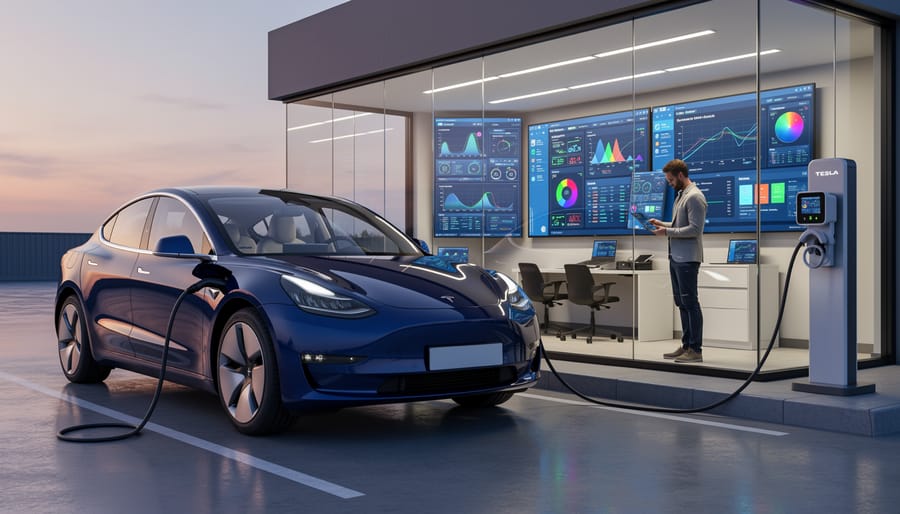
Transitioning from traditional time-based maintenance to a data-driven, condition-based approach requires a systematic implementation strategy that maximizes the capabilities of modern sensor technology and analytics platforms.
The first step involves comprehensive data collection infrastructure deployment. Install vibration sensors, temperature monitors, acoustic sensors, and oil quality detectors at critical gearbox locations. These IoT-enabled devices continuously capture real-time performance data, creating a foundation for predictive algorithms. Ensure sensor placement follows manufacturer specifications and covers all vulnerable components including bearings, gears, and lubrication systems.
Establishing baseline performance metrics is essential for accurate anomaly detection. Operate vehicles under normal conditions for an initial monitoring period, typically 30-60 days, to capture performance patterns across various operating scenarios. Document metrics including vibration frequency ranges, typical temperature variations, noise levels, and torque fluctuations. This baseline data serves as the reference point against which future measurements are compared, enabling the system to identify deviations that signal potential failures.
Setting appropriate alert thresholds requires balancing sensitivity with operational practicality. Configure multi-level warning systems: informational alerts for minor deviations requiring monitoring, caution alerts for trends approaching critical levels, and urgent alerts for immediate intervention. Tailor these thresholds to specific operational demands—fleet vehicles with high daily mileage may require tighter parameters than those with moderate usage patterns.
Integrate your predictive maintenance platform with existing fleet management systems to enable automated work order generation and maintenance scheduling. This integration ensures that condition-based insights translate directly into action, optimizing resource allocation and minimizing vehicle downtime.
Continuously refine your algorithms by feeding maintenance outcomes back into the system. This machine learning approach improves prediction accuracy over time, reducing false positives while catching genuine anomalies earlier in their development cycle, ultimately supporting both operational efficiency and sustainability goals through extended component lifecycles.
Cost-Benefit Analysis and ROI Considerations
Implementing predictive maintenance strategies for EV gearboxes delivers measurable financial returns that significantly outweigh traditional reactive approaches. A comprehensive operational cost analysis reveals that organizations can reduce maintenance expenses by 25-40% while simultaneously extending component lifespan by up to 30%. This dual benefit stems from addressing wear patterns before catastrophic failures occur, eliminating costly emergency repairs and unplanned downtime.
Traditional maintenance models rely on scheduled intervals or breakdown responses, leading to unnecessary parts replacement and substantial operational disruptions. Fleet operators report that unplanned gearbox failures can sideline vehicles for 3-7 days, directly impacting revenue generation. Predictive systems, guided by insights from transmission specialists, enable precision interventions during planned service windows, reducing downtime to hours rather than days.
Energy efficiency gains provide additional financial upside. Degraded gearbox components increase friction and power loss, reducing vehicle range by 5-8%. Real-time monitoring identifies efficiency drops early, allowing corrective action that preserves optimal performance. For commercial fleets, this translates to fewer charging cycles and lower electricity costs.
Initial investment in sensor infrastructure and analytics platforms typically achieves payback within 18-24 months. Organizations managing 50 or more EVs see even faster returns, with some reporting positive ROI in under 12 months through reduced repair costs, extended asset life, and improved vehicle availability supporting business operations and sustainability objectives.
Advanced Diagnostic Techniques for Gearbox Health
Vibration Analysis and Acoustic Monitoring
Vibration analysis serves as a cornerstone technology for EV gearbox predictive maintenance, detecting mechanical degradation long before catastrophic failures occur. Advanced accelerometers mounted on gearbox housings continuously capture vibration signatures, which reveal distinct patterns corresponding to specific component conditions. When bearings begin to deteriorate, they generate characteristic high-frequency vibrations caused by surface irregularities and increased internal clearances. These micro-defects create repeating impact signatures at frequencies directly related to bearing geometry and rotational speed.
Gear mesh quality assessment relies on analyzing vibration patterns at tooth engagement frequencies. Healthy gears produce consistent, low-amplitude vibrations, while worn or misaligned gears create elevated harmonics and sidebands in the frequency spectrum. This cutting-edge technology enables maintenance teams to identify issues like tooth pitting, spalling, or improper backlash adjustment weeks before operational performance degrades.
Shaft misalignment manifests through elevated vibrations at one or two times the rotational frequency, often accompanied by axial movement patterns. Modern condition monitoring systems employ machine learning algorithms to differentiate between normal operational variations and developing faults, significantly improving diagnostic accuracy.
Acoustic monitoring complements vibration analysis by detecting ultrasonic emissions from friction, impacts, and material stress. This dual-sensor approach, often integrated with electrical system diagnostics, provides comprehensive health assessments. Real-time data streams enable predictive algorithms to forecast remaining useful life, optimizing maintenance scheduling while maximizing gearbox longevity and sustainability through extended component lifecycles.
Thermal Imaging and Temperature Profiling
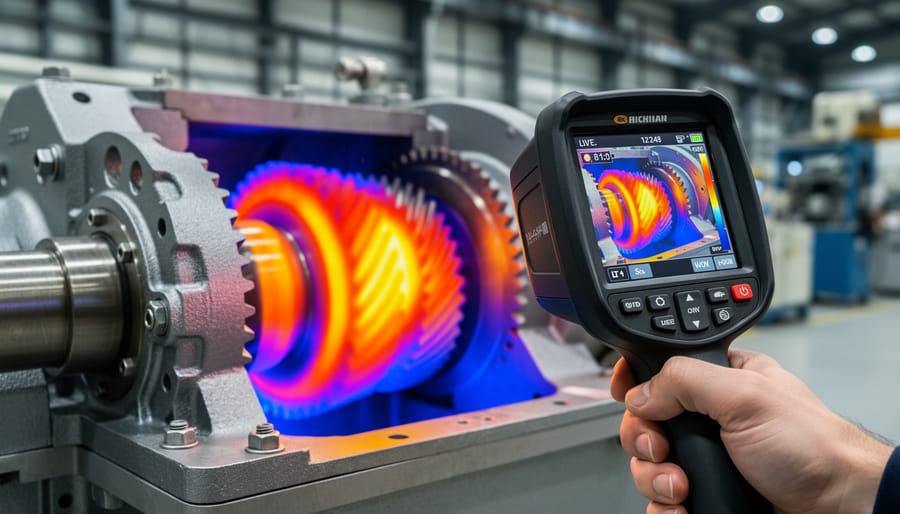
Thermal imaging technology represents a powerful non-intrusive diagnostic tool for EV gearbox predictive maintenance, enabling maintenance teams to detect developing issues before they escalate into costly failures. By capturing infrared radiation emitted from gearbox components, thermal cameras create detailed temperature maps that reveal operational anomalies invisible to conventional inspection methods.
In electric vehicle drivetrains, optimal thermal performance is critical for efficiency and longevity. Thermal imaging identifies several key failure indicators: localized hot spots suggesting inadequate lubrication, temperature gradients indicating bearing deterioration, and elevated surface temperatures signaling excessive friction between gear teeth. These thermal signatures often appear weeks or months before mechanical symptoms become apparent, providing valuable lead time for intervention.
Advanced thermal profiling systems integrate with IoT platforms to establish baseline temperature patterns during normal operation. Machine learning algorithms then analyze thermal data streams in real-time, automatically flagging deviations that exceed predetermined thresholds. For instance, a bearing running 15-20 degrees Celsius above its normal operating range may indicate lubrication breakdown or contamination, while uneven temperature distribution across the gearbox housing can reveal cooling system inefficiencies.
This approach proves particularly valuable for fleet operators managing multiple vehicles, where centralized thermal monitoring enables prioritized maintenance scheduling based on actual component condition rather than arbitrary service intervals. The technology supports sustainability goals by extending component lifecycles, reducing waste from premature replacements, and optimizing energy efficiency through early detection of friction-related losses that increase power consumption.
Future Innovations in EV Gearbox Maintenance
Cloud-Based Fleet Management Platforms
Cloud-based fleet management platforms represent a transformative approach to EV gearbox predictive maintenance by consolidating data from geographically dispersed vehicles into centralized monitoring systems. These platforms aggregate real-time operational data from sensors embedded in gearboxes across entire fleets, creating comprehensive datasets that enable sophisticated analytics and machine learning algorithms to identify failure patterns that would be impossible to detect in individual vehicles.
The primary advantage of centralized systems lies in cross-fleet learning capabilities. When one vehicle exhibits early warning signs of gearbox degradation, the platform automatically analyzes comparable vehicles operating under similar conditions, enabling proactive interventions before failures occur elsewhere in the fleet. This collective intelligence continuously improves prediction accuracy as the system processes more data, creating increasingly refined maintenance models.
Remote diagnostics functionality eliminates the need for physical inspections in many cases. Maintenance teams can access detailed gearbox performance metrics, vibration signatures, and thermal profiles from any location, prioritizing urgent cases and scheduling preventive maintenance efficiently. This capability proves particularly valuable for operations managing charging infrastructure across multiple sites, where coordinated vehicle availability directly impacts energy delivery schedules.
Advanced platforms integrate with existing fleet management systems to optimize maintenance scheduling based on operational demands, parts availability, and technician resources. By forecasting maintenance windows weeks in advance, fleet operators can minimize downtime while ensuring vehicles remain available during peak demand periods. This coordinated approach reduces maintenance costs by 25-40 percent compared to reactive strategies while extending gearbox service life and supporting overall fleet sustainability objectives through reduced component waste and improved energy efficiency.
Self-Healing Systems and Automated Interventions
The convergence of artificial intelligence and mechanical engineering has introduced self-healing capabilities to EV gearbox maintenance, transforming how vehicles respond to emerging mechanical issues. These systems represent a significant advancement beyond simple monitoring, actively intervening to prevent failures before they occur.
Adaptive lubrication systems now utilize sensor data to automatically adjust lubricant flow rates and viscosity parameters based on real-time operating conditions. When sensors detect elevated friction coefficients or temperature anomalies, these systems can increase lubrication delivery to affected components, effectively addressing wear patterns as they develop. This technology has demonstrated the ability to extend oil change intervals by up to 40 percent while simultaneously reducing component stress.
Real-time thermal management adjustments constitute another critical intervention mechanism. Advanced cooling systems can redistribute thermal loads when localized hotspots emerge, using variable-speed pumps and electronically controlled valves to direct coolant flow precisely where needed. This targeted approach prevents thermal degradation of gears and bearings, maintaining optimal operating temperatures even under demanding conditions.
Automated response protocols integrate these interventions with predictive algorithms, creating a comprehensive self-preservation ecosystem. When diagnostic systems identify developing issues, the gearbox can automatically initiate protective modes—temporarily limiting torque delivery, adjusting shift patterns, or activating enhanced cooling cycles. These protocols enable vehicles to safely continue operation while scheduling maintenance interventions, minimizing unexpected downtime.
For fleet operators, these technologies translate directly to operational efficiency. Extended service intervals reduce maintenance costs, while automated interventions prevent catastrophic failures that would otherwise sideline vehicles. The sustainability benefits are equally compelling, as optimized lubrication and reduced component replacement contribute to lower resource consumption throughout the vehicle lifecycle.
Predictive maintenance for EV gearboxes represents a pivotal advancement in sustainable transportation infrastructure, offering fleet managers and energy sector stakeholders a strategic pathway to maximize operational efficiency while minimizing environmental impact. By leveraging cutting-edge technology such as IoT sensors, machine learning algorithms, and real-time data analytics, organizations can transition from reactive repair cycles to proactive maintenance schedules that extend component lifespans by up to 40 percent. This shift directly supports broader energy management goals by reducing the manufacturing demand for replacement parts, decreasing downtime that leads to inefficient energy use, and optimizing the overall lifecycle of electric vehicles.
The environmental benefits extend beyond individual components. Extended gearbox longevity means fewer resources consumed in production, reduced waste streams, and lower carbon emissions associated with component manufacturing and transportation. For organizations committed to sustainability metrics, these practices deliver measurable improvements in resource efficiency while enhancing fleet reliability and cost predictability.
As the electric vehicle ecosystem continues its rapid expansion, early adopters of data-driven maintenance approaches position themselves at the competitive forefront. These organizations gain operational resilience, demonstrate environmental leadership, and build robust infrastructure capable of scaling with market demands. The integration of predictive maintenance systems with existing energy management platforms creates synergies that amplify benefits across multiple operational dimensions.
The time to embrace predictive maintenance strategies is now. Organizations that implement these technologies today will reap compounding advantages in cost savings, operational excellence, and sustainability performance. By investing in intelligent maintenance systems, you contribute to a more efficient, environmentally responsible transportation future while securing tangible business value for your operations.
